

Park City is known for its world-class resorts, beautiful mountains, and vibrant tourism industry. But behind the experiences that draw visitors from around the world is a workforce that makes it all possible. Many of those workers face significant barriers to accessing healthcare.
That is where the People's Health Clinic comes in.
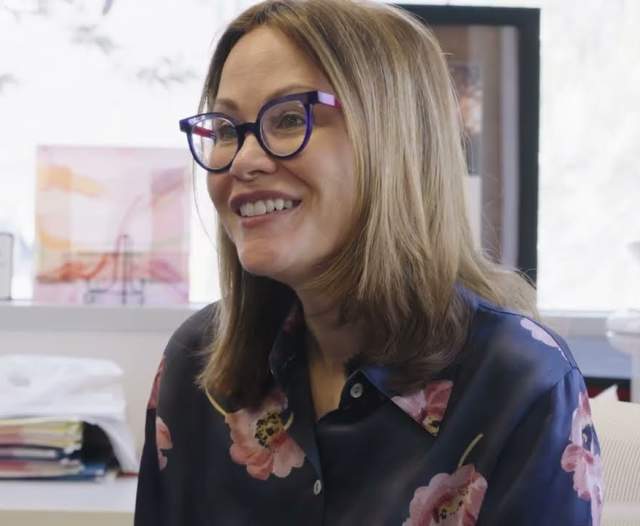
“We really take care of the uninsured workforce of Park City,” says Mairi Leining, CEO. “That’s who comes to us for care.”
Today, the clinic serves approximately 11,000 active patients, many of whom are the people working in the service and hospitality industries. They are cooks, housekeepers, resort employees, restaurant workers, and other essential members of the community who help Park City function every day.
“The people we care for are the ones that keep our community running,” Behavioral Health Medical Director Linsey Broadbent, explains. “They make the mountain be able to work. They allow tourists to come and experience our beautiful area.”
Her philosophy is simple: “If we keep them healthy, we keep the community healthy.”
Caring for the Backbone of the Community
Park City has a large wealth gap, and the People’s Health Clinic exists to help bridge one of its most important divides: access to healthcare.
“For me, it is helping the backbone of this community,” Patient Access Director Patty Garcia says. “Everyone who helps this community run. Everyone who helps from the kitchens to the resorts.”
The clinic recognizes that healthcare is not separate from the health of the community. When workers have access to preventive care, treatment, and ongoing support, they are better able to care for their families, go to work, and contribute to the community they call home.
And the need is significant.
“We are that healthcare,” Mairi says. “Park City can’t function without this workforce.”
Comprehensive Care in a Small Space
Although the People’s Health Clinic operates in a relatively small space, the breadth of care available is remarkable.
The clinic offers 17 specialties, providing far more than basic primary care. Its services include comprehensive women’s health, including prenatal and postpartum care for uninsured women in Park City. The clinic also has a pediatric program and dedicated programs for chronic conditions such as high blood pressure and diabetes.
Patients can also access specialty care including dermatology, rheumatology, endodontics, and cardiology.
“It’s really pretty incredible how extensive the care is that we can offer here,” Mairi says.
That range of services means patients can receive care in one place rather than having to navigate an often complicated healthcare system on their own.
A Community of Providers
The clinic’s impact would not be possible without its staff and volunteers.
Today, the People’s Health Clinic has a staff of 37 people, including nine medical providers. In addition, more than 40 volunteer medical providers contribute their time and expertise.
Those volunteers come from all stages of their medical careers. Some are physicians who have moved to Park City to retire but still miss practicing medicine. Others are actively practicing at institutions such as the University of Utah or Intermountain Health and make time in their demanding schedules to care for patients at the clinic.
For many, volunteering is deeply personal.
Linsey recalls growing up in Heber City and beginning to volunteer with the People’s Health Clinic approximately 27 years ago, back when the clinic operated out of a Winnebago.
“I’ve always had a love for the mission of the People’s Health Clinic,” Linsey says.
That commitment has remained strong as the clinic has grown.
Relationships That Go Beyond the Exam Room
The connection between providers and patients is one of the clinic’s most meaningful strengths.
Hypertension Program Director Tristan Lubina, who works with many patients from Park City’s Filipino and Mexican communities, has experienced that connection firsthand. Patients sometimes show their appreciation by bringing him Filipino food.
These relationships reflect something larger than traditional doctor-patient interaction. The clinic is deeply woven into the community it serves.
In 2019, while volunteering as a full-time provider at the clinic, Mairi diagnosed a young woman with dangerously uncontrolled diabetes. She was also pregnant.
Unfortunately, complications related to her diabetes resulted in the loss of her pregnancy. But with ongoing care and support, the patient was eventually able to get the diabetes under control and become pregnant again.
A year and a half later, she returned to the clinic with her baby boy.
“I started crying,” Mairi recalls. “That was the moment I really realized the impact we could have on patients’ lives.”
For the team at the People’s Health Clinic, moments like these demonstrate why the work matters.
“Practicing healthcare at the People’s Health Clinic as a provider is a gift,” Mairi says. “Our patients are so profoundly grateful for the care they are receiving here, and they are really hardworking, dedicated members of this community.”
Why the People’s Health Clinic Matters
The question comes up often: Why does Park City need a clinic like this?
The answer is straightforward.
Park City relies on an uninsured workforce that keeps its restaurants open, its resorts operating, its hotels running, and its economy thriving. Without access to healthcare, those workers and their families face challenges that can affect not only their own lives, but the entire community.
“We need to exist because we have an uninsured workforce that keeps Park City running, and without us they don’t have healthcare,” Mairi says.
The People’s Health Clinic is not simply providing medical appointments. It is investing in the people who make Park City possible.
It is a simple idea, but in Park City, it has a powerful meaning. The health of the community depends on the health of the people who keep it moving.
And the People’s Health Clinic is there to make sure those people are not forgotten.